
Suspensions in England’s schools are rising at pace, and the government is now signalling a clear shift in how they should be handled.
New figures from the Department for Education show that suspensions increased by 21% in a single year, rising from 787,000 in 2022–23 to 955,000 in 2023–24. Over the same period, the suspension rate climbed to 11.31 per 100 pupils, more than double the rate seen before the pandemic.
More than half of all suspensions are now attributed to persistent disruptive behaviour, rather than violent incidents. Verbal abuse towards adults accounts for a further 15.5%, while physical assaults make up a smaller – though still significant – proportion.
In response, ministers have announced that pupils should not automatically be sent home when suspended. Instead, schools are being encouraged to keep many pupils on site, using internal or supervised suspensions to limit lost learning time and reduce the risk of children disengaging entirely.
The intention is clear: suspensions should remain a serious sanction, but without removing pupils from education altogether.
Internal suspensions: a growing but imperfect solution
In reality, many schools are already moving in this direction.
Internal exclusions – where pupils are removed from mainstream lessons and supervised elsewhere on site – are increasingly common. Similar arrangements also exist in SEN rooms, where pupils go temporarily when they are struggling to cope in a classroom environment.
However, while these provisions can help schools manage behaviour and maintain order, they come with a significant challenge: learning quality.
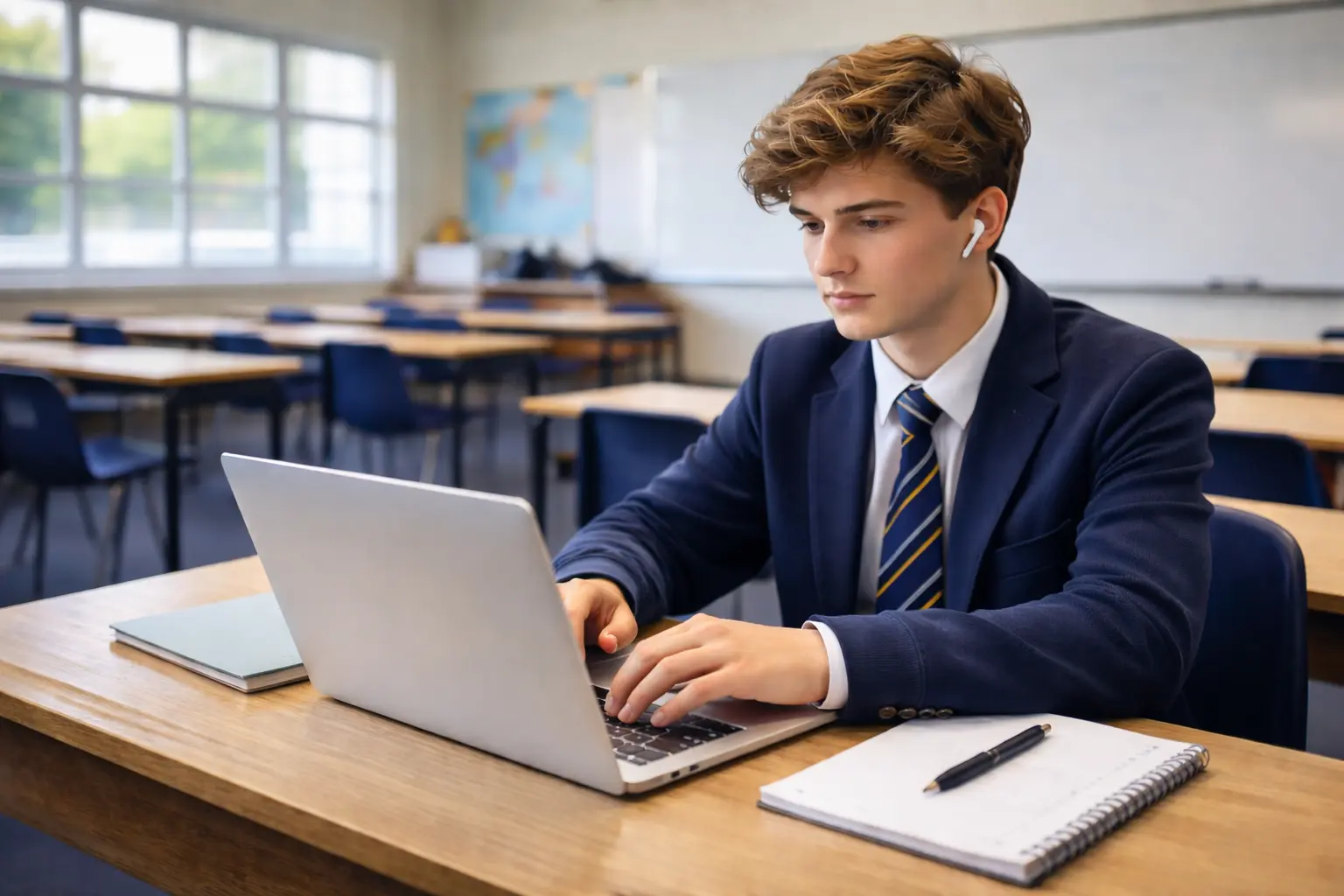
In many cases, pupils in internal suspension or SEN rooms are given worksheets or tasks set by subject teachers, but do not have access to those teachers during the day. Supervision is often provided by non-specialist staff, meaning students may complete work without fully understanding it, or disengage altogether.
The Department for Education itself has acknowledged that internal suspensions can sometimes involve “generic work that does not support learning or reintegration”. Without the right support, time spent out of class risks becoming time lost, rather than time used constructively.
As schools are asked to rely more heavily on these approaches, the question becomes not whether internal suspensions are used – but how to make them educationally meaningful.
Where technology can make a real difference
This is where digital learning tools like Walnut can play a valuable supporting role.
Used alongside existing worksheets and lesson materials, Walnut can provide pupils with on-demand explanations, guidance and subject expertise, helping to bridge the gap created when a specialist teacher is not available.
Pre-loaded onto school iPads or computers, Walnut could support:
- Pupils in internal suspensions, helping them understand and complete subject work independently
- Students in SEN rooms, who may need clearer explanations or alternative ways of engaging with content
- Schools trying to ensure internal exclusions are structured learning interventions, not just supervised isolation
Rather than replacing teachers, tools like Walnut act as a learning companion, reinforcing understanding and reducing the amount of catch-up required when pupils return to class.
Supporting inclusion without compromising standards
Head teachers remain clear that suspensions – including removals from classrooms – will always be necessary in some cases. Serious or violent incidents will still result in pupils being removed from school entirely.
But as policy shifts towards keeping more pupils on site, schools are under pressure to deliver both discipline and inclusion, often with limited space, staff and funding.
Technology alone is not the answer. But when used thoughtfully, it can help schools meet the government’s expectation that internal suspensions involve meaningful learning, reflection and reintegration, rather than disengagement.
As suspension rates continue to rise, the schools that succeed will be those able to turn challenging moments into opportunities to keep pupils learning – even when they are not sitting in a classroom.