
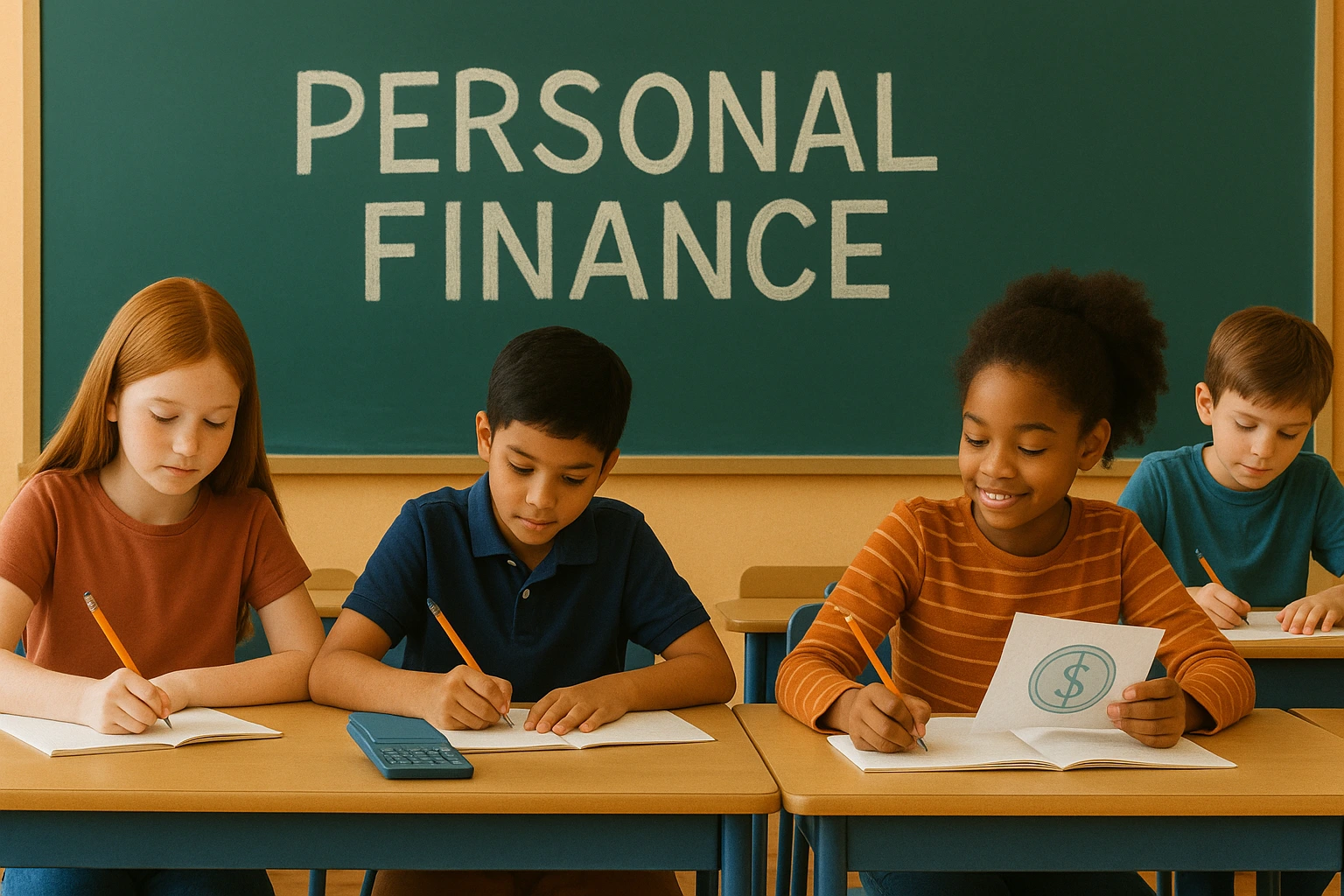
For many adults, learning how to budget, manage money or navigate loans came far too late — often only after making costly mistakes. But a new national curriculum change aims to ensure the next generation grows up financially confident, capable and prepared.
From 2028, all primary and secondary school pupils across the South of England will be taught essential financial skills, including budgeting, money management, mortgages, credit and compound interest. It’s a shift many educators and charities have been calling for — and one that matters deeply for families.
At Walnut Learning, we believe financial literacy is not just a subject; it’s a life skill every child deserves.
Why financial education can’t wait
Many teachers have already recognised the urgency of this change.
Sarah Simmons, Principal of Queen’s Park Academy in Bournemouth, explains it simply:
“If we don’t teach them these things, we’re doing them an absolute disservice.”
Her pupils are already showing an encouraging awareness of how money works. Even at ages 10 and 11, they’re learning about debt, earning, and the reality that “money doesn’t grow on trees”. These insights help children build a healthier relationship with money long before they face real-world pressures.
Young Enterprise CEO Sarah Porretta echoes this sentiment:
“It’s very difficult to navigate the world as an adult if you don’t have that financial literacy.”
Parents know this all too well — managing money isn’t just about arithmetic; it’s about confidence, decision-making, and the ability to avoid pitfalls.
Schools are beginning to lead — but support is essential
While some schools already deliver financial education, many will need training and support before the subject becomes nationwide.
Teachers are being asked to guide pupils through:
- Budgets and planning
- Understanding credit: good vs bad
- Taxes and payslips
- Mortgages and long-term loans
- The dangers of online scams
- Saving, investing and compound interest
Tim Clark, Head of Leaf Studio Academy, sees it as a duty:
“They are not going to be equipped to survive and thrive when they leave school, no matter how good their grades are” without these skills.
It’s clear that academic achievement alone isn’t enough — children need practical, everyday knowledge to navigate adulthood.
What this means for parents
This curriculum change is a positive step, but parents play an equally powerful role in shaping financial habits.
Here’s how you can support your child’s financial confidence at home:
1. Talk about money openly
Children don’t need to know every detail — but explaining how budgeting works or why saving matters demystifies money early on.
2. Encourage earning
Pocket money, small chores, or entrepreneurial side projects help children link effort to income.
3. Introduce saving goals
Whether it’s a toy or a sports item, saving for something teaches patience and planning.
4. Teach “good” and “bad” credit
This will be a major part of the curriculum, but hearing it at home reinforces long-term thinking.
5. Model healthy financial behaviour
Children learn more from what we do than what we say.
Walnut Learning’s view
As education shifts towards real-world skills, this move feels not only welcome but overdue. At Walnut Learning, we champion approaches that help children think critically, manage themselves, and become capable, confident young people.
Financial literacy is one of the most powerful skills they can learn.